Why Valley Gutter Replacement Is Critical Before Wet Season
On the Sunshine Coast, the wet season arrives with heavy, concentrated downpours, and your roof's valley gutters take the brunt of it. These channels sit where two roof planes meet, and they carry a huge share of the water that falls on your home. If a valley gutter is corroded, cracked, or blocked, wet season is when the damage shows up, often as ceiling stains, water in the roof cavity, or leaks during a storm. Replacing a worn valley gutter before the rain sets in is one of the most cost-effective ways to protect your home.
What Is a Valley Gutter and Why Does It Matter?
A valley gutter https://finnixjk801.tearosediner.net/colorbond-vs-tile-roofing-sunshine-coast-comparison is a metal channel, usually steel or Colorbond, installed along the internal junction where two roof slopes meet. Water from both slopes funnels into it and flows toward the main gutters or downpipes. Because it collects runoff from a large roof area, it moves far more water than a typical section of eaves gutter.
During intense rainfall, a valley can carry water at high speed and volume. Any weakness, such as a rust hole, a failed joint, or lifted flashing, lets water into the roof structure. Unlike a dripping eaves gutter, which is usually visible, valley failures often go unnoticed until the damage is well advanced.
Why the Sunshine Coast Climate Is Hard on Valley Gutters
The region's conditions put extra stress on roof drainage components:
- Heavy summer rainfall: Storms and east coast lows can deliver large volumes of rain in a short time, easily overwhelming a damaged or undersized valley.
- Salt-laden air: Properties near the coast, from Mooloolaba and Caloundra to Coolum and Noosa, face accelerated corrosion, especially on older galvanised steel or lower-grade materials.
- High humidity: Constant moisture encourages rust, mould, and organic build-up in valleys.
- Falling debris: Leaves, seed pods, and bark from native trees collect in valleys and hold moisture against the metal.
- UV exposure: Strong sun degrades sealants, flashings, and the protective coatings on older roofing.
Together, these factors mean valley gutters on Sunshine Coast homes often wear out faster than owners expect, particularly on roofs that are 20 years or older.
Warning Signs Your Valley Gutter Needs Replacing
Catching problems early gives you time to schedule a replacement before the heavy rain arrives. Look out for these signs:
Visible Rust or Corrosion
Orange or brown staining, flaking metal, or pinhole openings in the valley indicate the material is failing. Surface rust can sometimes be treated, but once the metal is perforated, replacement is the reliable fix.
Water Stains on Ceilings or Walls
Brown rings or patches on ceilings near roof junctions often point to a leaking valley. Stains may appear only after heavy rain, which makes them easy to dismiss until the problem worsens.
Overflowing Water During Rain
If water spills over the sides of the valley rather than flowing smoothly down it, the channel may be too narrow, blocked, or deformed. Overflow can push water under roof tiles or sheets.
Cracked, Lifted, or Misaligned Flashing
Movement from thermal expansion, storms, or past repairs can leave gaps along the edges of the valley where water can enter.
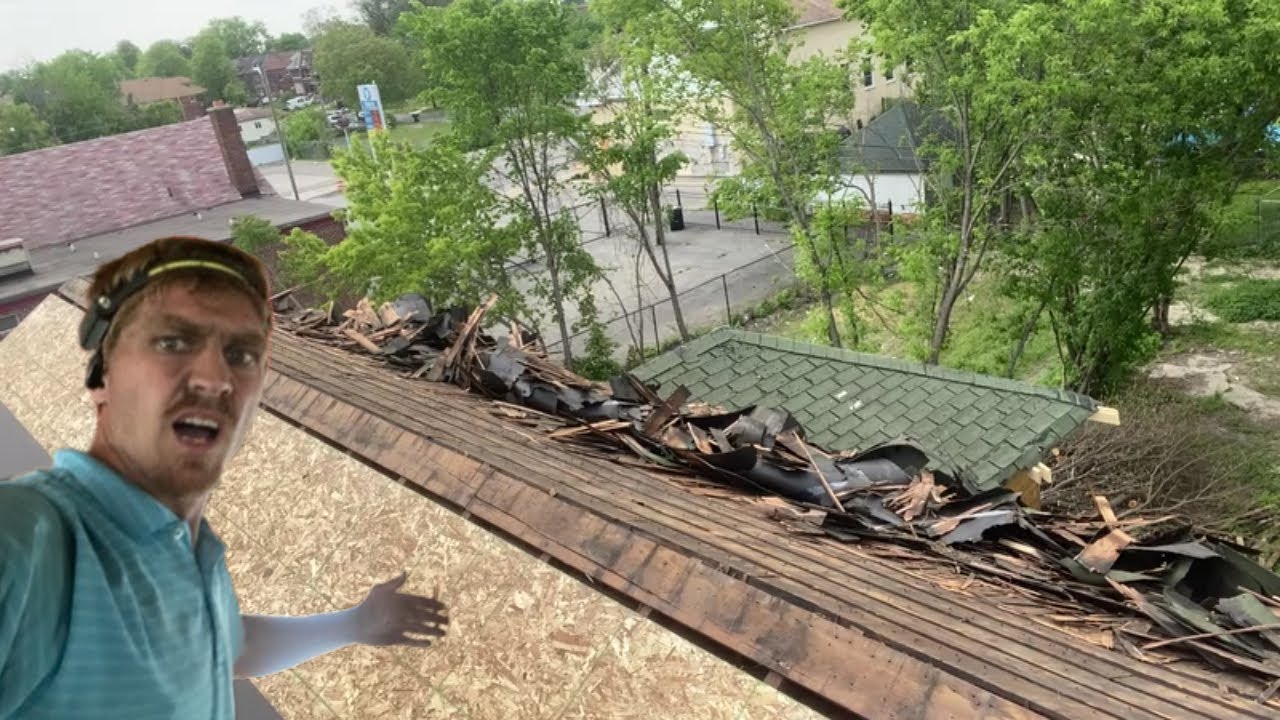
Sagging or Damaged Roof Sections Nearby
Persistent moisture can weaken battens, sarking, and timber, leading to visible dips or damaged tiles around the valley.
Heavy Debris and Plant Growth
Moss, lichen, or even small plants growing in the valley mean debris has been sitting there long enough to retain moisture and accelerate deterioration.
What Can Go Wrong If You Wait
Leaving a failing valley gutter through the wet season can turn a manageable job into a major repair. Consequences include:
- Internal water damage: Soaked insulation, stained or collapsed plasterboard, and damaged electrical fittings in the ceiling cavity.
- Timber rot: Rafters, battens, and fascia exposed to repeated wetting can decay, and structural repairs are costly.
- Mould growth: Hidden moisture creates ideal conditions for mould, which can affect indoor air quality and health.
- Pest problems: Damp, decaying timber attracts termites and other pests, which are already a concern in Queensland's climate.
- Higher repair bills: Emergency repairs during stormy weather typically cost more and may only be temporary.
- Insurance complications: Insurers may not cover damage caused by gradual deterioration or lack of maintenance, so a neglected valley can leave you out of pocket.
Why Replace Rather Than Patch?
Patching with sealant or small metal sections can be a short-term fix for minor damage, but valleys that are widely corroded or have failed repeatedly are poor candidates for repair. Sealants break down under UV and movement, and patches over rusted metal tend to fail at the edges where the sound metal ends.

A full replacement lets a roofer inspect the underlying structure, replace damaged sarking or battens, and install new flashings correctly. It also gives you the chance to upgrade to a more suitable material and profile for coastal conditions.
Choosing the Right Materials for Coastal Conditions
Material choice has a big influence on how long a new valley gutter will last, especially close to the ocean.
- Colorbond steel: A popular choice with good durability, though it is wise to check the product's suitability for your distance from the coast and follow manufacturer guidelines.
- Stainless steel: More expensive, but highly resistant to corrosion and suited to severe marine environments.
- Aluminium: Lightweight and corrosion resistant, though it can be softer and more prone to denting.
- Zincalume: Commonly used, but performance in salt-heavy areas depends on grade and maintenance.
Avoid mixing incompatible metals, such as copper fixings with steel, as this can cause galvanic corrosion. A qualified roofer will also size the valley correctly for your roof's catchment area, with enough depth and width to handle intense Queensland rainfall.
Standards and Compliance in 2026
Roof drainage work in Queensland must meet the requirements of the National Construction Code and relevant Australian Standards, including AS/NZS 3500.3 for stormwater drainage and AS 1562.1 for metal roof sheeting. Valley gutters should be designed to cope with rainfall intensities appropriate to your area, and installation should include proper overflow provisions. As more homeowners prioritise resilience against extreme weather heading into 2027 and beyond, correct sizing and quality installation are increasingly important.
Always use a licensed roofing contractor. In Queensland, roofing work requires the appropriate QBCC licence, and you should ask to see licence details before work starts.
The Best Time to Schedule Valley Gutter Replacement
The ideal window is the drier months, typically late autumn through winter and into early spring, well before the summer storm season peaks. During this time:
- Roofers have more reliable weather, so jobs are completed faster and safer.
- Availability is generally better than during the pre-storm rush.
- Sealants, flashings, and fixings cure and bed in properly in dry conditions.
- You have time to address any hidden damage uncovered during the work.
If you are already approaching the wet season, don't wait for the first big storm. Book an inspection as soon as possible and ask for temporary measures if a full replacement can't be done immediately.
What the Replacement Process Involves
- Inspection and quote: The roofer assesses the valley, surrounding tiles or sheets, flashings, and the roof structure, and measures the catchment area.
- Removal of roofing along the valley: Tiles or sheets adjacent to the valley are lifted or removed to access the old gutter.
- Old valley removal and structure check: The failed gutter is taken out, and sarking, battens, and timber are inspected and repaired as needed.
- New valley installation: A correctly sized, sealed, and fixed valley is installed with proper laps and underlays.
- Re-fitting roofing and flashing: Tiles or sheets are replaced, cut neatly, and flashed to direct water into the channel.
- Water test and clean-up: The system is checked for flow and leaks, and debris is cleared from the site.
Maintenance Tips to Extend the Life of Your New Valley Gutter
Once replaced, a little regular care goes a long way:
- Clear leaves and debris from valleys at least twice a year, and more often if you have overhanging trees.
- Inspect valleys and flashings after major storms.
- Trim branches that drop debris onto the roof.
- Rinse salt build-up from roof surfaces and valleys if you live close to the beach, where the manufacturer recommends it.
- Consider gutter guards or valley guards designed for your roof profile, while making sure they do not restrict water flow or trap moisture.
- Book a professional roof inspection every one to two years.
How Much Does Valley Gutter Replacement Cost?
Costs vary with the valley length, roof type (tile or metal), access, materials, and the extent of underlying repairs. Tiled roofs generally cost more because tiles must be lifted and relaid. Rather than relying on a general figure, get at least two or three written quotes from licensed local roofers and make sure each quote spells out materials, warranty, and what is included for any hidden damage. Spending on replacement before the wet season is typically far less than paying for ceiling, insulation, and timber repairs afterwards.
Final Thoughts
Valley gutters are easy to overlook, yet they handle a large proportion of the water your roof sheds. With the Sunshine Coast's heavy rain, salt air, and humidity, a deteriorating valley can fail quickly when storms arrive. Inspecting your roof now, acting on warning signs, and replacing worn valleys with durable, correctly sized materials gives your home the best protection through the wet season. If you notice rust, stains, or overflow, contact a licensed local roofer for an assessment before the rain begins.
Sunshine Coast Roof Restoration & Repair
Unit 8/13 Newspaper Pl, Maroochydore QLD 4558
(07) 4145 4576
Ends · ELLIOTTCFXY313